
An article published in the women’s midlife health journal caught my eye.
‘The challenges of midlife women: themes from the Seattle midlife women’s health study by Annette Joan Thomas was quite an eye-opener. The study named ‘The Seattle Midlife Women’s Health Study was a longitudinal study spanning up to 23 years. Women had described their experiences being in the study as ‘the most challenging looking back over 15 years. There were over eighty women participants involved.
In the study, women identified the most challenging aspects of midlife as changing family relationships, re-balancing work/personal life, re-discovering self, securing enough resources, and coping with multiple co-occurring stressors. Within these themes, the most frequently reported challenges were: multiple co-occurring stressors, divorce/breaking up with a partner, health problems of self, and parents’ death. Few women mentioned menopause as the most challenging aspect of their lives.

Divorce/breaking up with a partner
When a woman generally goes to this decision, she had tolerated a man and his behaviours for a long time, hopefully also tried every aspect of remedies and failed. Emotional bullying, physical abuse, not participating in a household, financial slavery, and lack of sexual relationship lead to a break-up pathway. Many don’t see, though, that a break-up also results in rescuing both parties, unlike staying together, killing each other over everything and living unhappily, costing one’s health and wellbeing, satisfying everyone else around you, but yourself. The underlying emotional comfort zone here could be, knowing that you had tried hard enough to settle matters before taking the steps down this pathway.

Health problems of oneself
The most common health problems experienced during middle age are lung-related diseases such as asthma, bronchitis, bone diseases as arthritis, osteoporosis; heart issues such as coronary heart disease, high blood pressure; endocrinological diseases such as diabetes, thyroid issues, genitourinary disorders such as urinary tract infection (UTI), cerebrovascular diseases such as strokes etc. Apart from these, obesity or weight gain and related issues and cancers also become common. Further, menopause itself is quite a struggle for many ladies in the middle ages. Not being adequately prepared for it and how to reduce the effects of it and adjust around it worsens the reactions to hormonal
Stress-related conditions
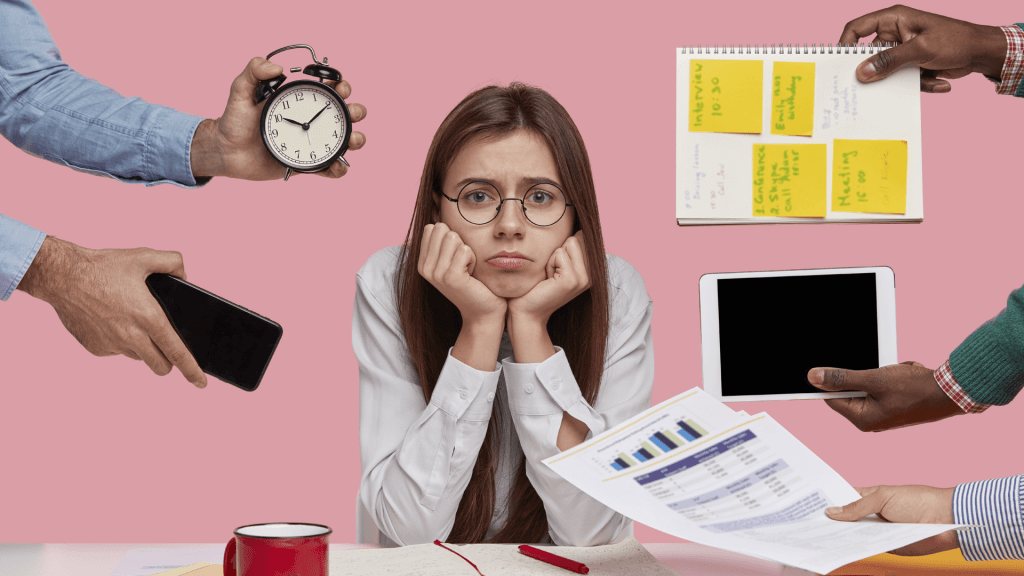
Middle age is considered an age when you may feel quite ‘alone’ and by yourself cruising along in life and stock-taking how far you had come in life, a time where you are managing your life alone, less family support, work-related issues, managing expectations, family disputes, loss of a loved one etc. All these can lead to increased stress easily. On top of it, when you are not challenged, you can go into anxiety, depression etc. Some of these stressors can be unavoidable, such as the challenges of raising a family, paying a housing loan, facing layoffs at the office, learning to use new technological soft wear and equipment that continuously keep changing and dealing with chronic health issues etc.

Death of a parent/parents
Another sad milestone in one’s life as we cruise along the mid-life is losing the parents or a very close parent to you who supported you at different times.
In the published article ‘Midlife loss of parents: The transition from adult child to orphan’ by Helen Marshell on ‘Ageing International’ journal, a phenomenon of a two-staged life transition period was unexpectedly observed, which suggested adult children may grieve for their first parent’s death in a filtered way through their concern for the grief of the remaining parent; and then, on the end of the second parent, grieve wholly for both parents.

Finally, middle-aged women must understand that mid-life brings about positive stressors and negative stressors to our lives. Most of these can be unavoidable, but we need to change how we react to these circumstances so we don’t become victims to these conditions, sacrificing our physical and mental well-being. Every stressful situation in life lasts for a specific period. How we work around this period is critical, yet we know these times pass off, just like it unexpectedly came in. Nothing is everlasting. So are the conditions and circumstances around us.
Having people, you trust whom you can share the hard times with, asking for support when you need it, keeping up with your physical health by eating the right foods, regularly exercising, staying positive will help you counter-measure some of these unavoidable times and help you to stay on top always.